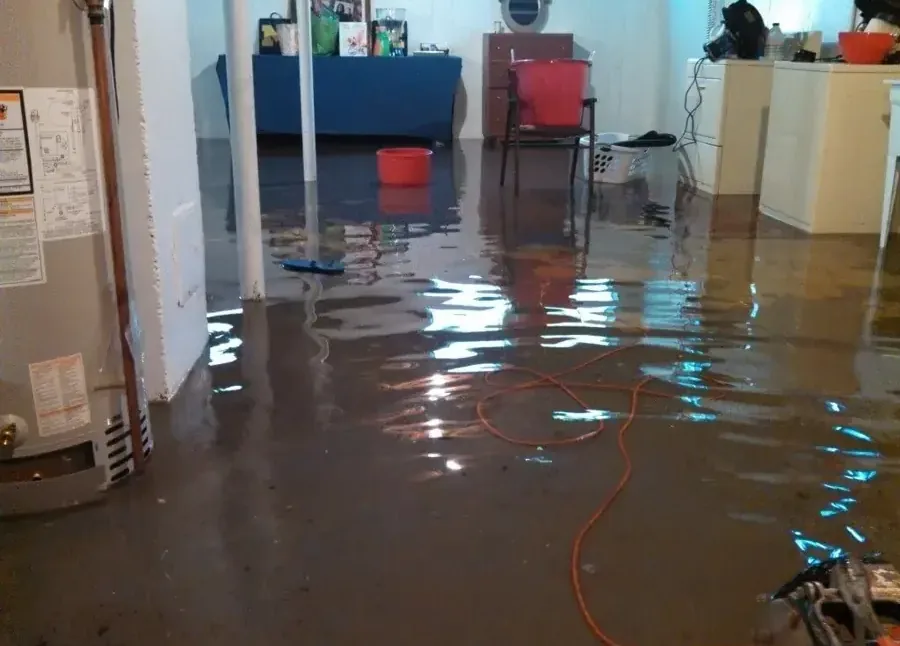
Easton's waterways belong to the Taunton River Watershed, and Hockomock Swamp provides natural flood control for the region. After rain leaves water in a basement, the building needs its own careful inspection. The entry route, electrical access, stored contents and wet finishes give the restoration contractor the information needed to plan removal and the work that follows.
Key takeaways
- A safe view from the basement entrance comes before walking onto a wet floor.
- The first record should show where water entered and where it collected.
- Water that arrived from outdoors needs a contamination assessment.
- Storage handling should keep wet items away from dry household areas.
- Drying checks include retained floor and wall materials beyond the visible puddle.
Begin at the entrance to the lower level
A homeowner can describe what is visible from a dry landing without descending into standing water. The account should identify any equipment, cords, loose flooring or blocked steps in the affected area.
A photograph from the entrance gives the contractor a useful overview while keeping the owner clear of the water and any hidden obstacles.
The basement water removal assessment should establish an equipment route and a safe working area. A narrow stairway full of storage needs a different arrangement from an open lower room with exterior access.
The homeowner can explain how the space is normally used, where the utilities are located and which belongings prevent a clear view of the floor.
- The first view includes the landing, stairs and visible water edge.
- The owner identifies electrical equipment without approaching it through water.
- Access instructions describe doors or storage that restrict the route.
Follow the entry marks while they are still visible
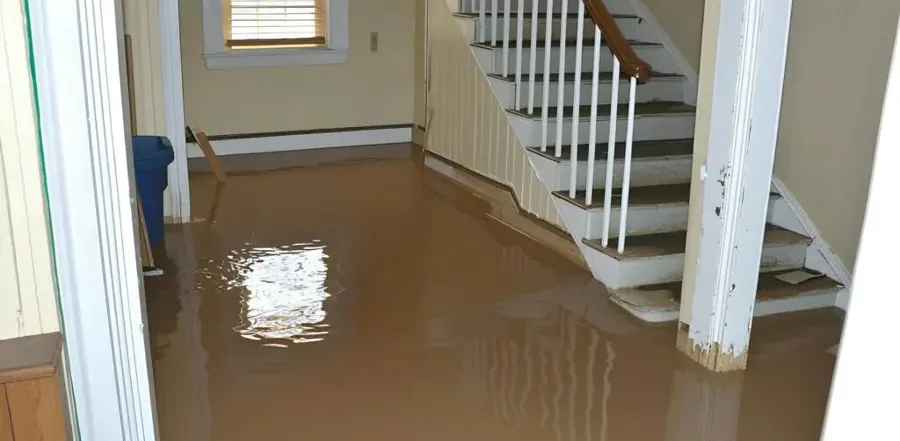
Water at an exterior doorway may leave a track across the threshold, while another entry route may become visible along a wall joint or window area. The inspection records these observations before extraction changes the scene.
Wide views and closer photographs can show the relationship between the suspected opening and the places where water accumulated indoors.
North Easton, South Easton and Easton Center are local designations within the town. Whichever location the property occupies, the room record should name the actual basement features involved: an exterior stair, a window, a floor drain or a plumbing fixture.
The contractor can use that description to choose the next inspection point and identify which separate trade may be needed for source work.
- The room sketch marks the earliest observed entry point.
- Water marks at thresholds and wall bases receive photographs.
- The source account identifies any active entry that continues during the visit.
Outside water changes how belongings are handled
When water crossed outdoor surfaces before entering the building, the storm water cleanup plan needs to address what it contacted along the route. The contractor examines debris, affected surfaces and stored materials before choosing removal methods.
Occupants should stay out of the work area while the water condition and handling requirements are assessed.
Basement storage often combines paper, fabric, furniture and hard containers in a compact space. The contents record should identify which objects touched the water and where they were found.
The handling plan can then separate items needing disposal or specialist assessment from those that can be moved through a protected route, without spreading wet residue into the living area above.
Removal should leave the inspection boundary easy to follow
Extraction clears accessible liquid, revealing floor edges and lower wall surfaces that may have been hidden beneath the water. The technician can add those newly exposed areas to the original sketch and compare their condition with the initial photographs.
This is also the time to record damage that becomes visible when a wet storage container or carpet edge is moved.
The work should preserve an understandable account of where the water reached. A label on a room diagram can connect an affected wall with the materials removed beside it, while a photograph shows what remains available for drying.
That record helps an owner understand why the work extends into an adjoining closet or behind a section of base trim.
An owner can ask for a brief walkthrough of the cleared space from a safe access point. The contractor can show the original entry route, the storage area that concealed additional water and the surfaces still awaiting treatment.
This shared view makes later discussions about retained finishes easier to follow and keeps the room record connected to recognizable features.
- The technician records the condition beneath relocated storage.
- Removed materials are associated with a specific wall or floor area.
- The owner retains photographs showing the cleared basement after extraction.
A clear floor still needs a material check
After water removal and necessary cleaning, the basement may look substantially better while retained materials remain wet. Structural drying addresses those materials using planned air movement, humidity control and repeated measurements.
The drying arrangement should leave the measurement points and equipment accessible without creating an obstacle on the stairs.
The homeowner can request a plain explanation of the areas being monitored and how the contractor will assess progress. A concrete surface, a framed partition and stored wood furniture are different parts of the loss and should remain distinguishable in the record.
When another access opening is needed, the explanation should connect it to the specific material that needs examination.
The next rain observation belongs beside the source work
Part of Borderland State Park lies in northwestern Easton, while Hockomock Swamp Wildlife Management Area occupies part of the southeast. At an affected building, the practical followup is a description of the entry point and any work completed there.
The owner can retain the source contractor's account next to photographs of the lower room before and after removal.
A later rain provides another occasion to observe the previously affected location safely. Any fresh water, changed wall mark or renewed floor puddle should be reported with a photograph and a description of the conditions.
The completed drying record then gives the contractor a useful comparison for deciding whether the new observation follows the original route or involves another part of the basement.
Questions
What can an owner document without entering basement water?
A view from a dry entrance can show the water boundary, stair access and nearby equipment. The owner can also describe the first visible entry point and list the storage or furniture that blocks a clear view of the lower floor.
Why distinguish outside entry from an indoor leak?
The water's route affects the assessment of contamination and material handling. Describing the doorway, wall opening or fixture involved helps the contractor plan the inspection and decide how the affected belongings should move through the building.
Should wet boxes go upstairs before the crew arrives?
The handling arrangement should be settled before water affected contents pass through dry living areas. Photographs and a simple item list can be prepared from safe positions while the contractor identifies a suitable route and holding space.
What information helps if water appears again?
A new photograph is most useful when it can be compared with the original entry and room records. The source work description, last drying measurements and current observation together help the responding contractor focus on the part of the basement that changed.