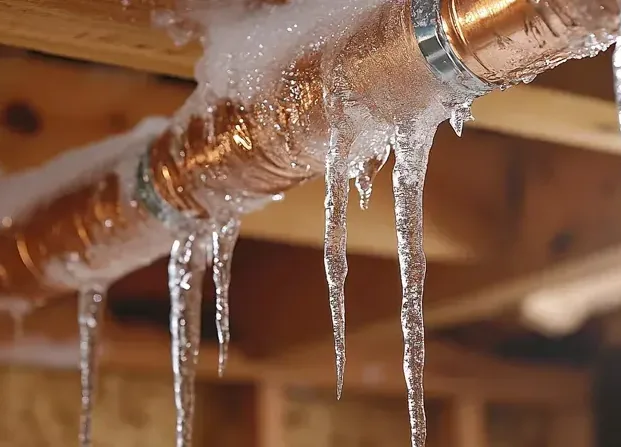
Brockton's climate table records winter snowfall and a January mean daily minimum of 20.6 degrees Fahrenheit for 1991 to 2020. A homeowner discovering water after a cold spell needs a practical account of the affected plumbing and rooms. The response begins with safe isolation and follows the escaped water through finishes, storage areas and any spaces below the release.
Key takeaways
- An owner should describe the last normal water use and the first visible release.
- The damaged pipe needs a plumber's attention before the affected supply returns to service.
- Water can continue through concealed routes after the visible flow changes.
- Belongings should be logged before they are carried out of a wet room.
- A drying plan needs access to the materials reached by the release.
A cold weather discovery needs a short incident history
The earliest useful details are simple: which fixture was being used, whether its flow had changed and where escaped water first became visible. An owner may have noticed water in a cabinet, beneath a pipe or in a room below before seeing the damaged component.
That sequence can be written down without entering the affected space or taking apart the plumbing.
Montello and Campello are villages within the city, and both have commuter rail stations. For an occupied home in either locality, the person arranging frozen pipe water cleanup can give the contractor a precise room description and explain who can provide access.
Details about keys, restricted rooms and pets are more useful for the first visit than a general statement that the house is wet.
- The incident note identifies the fixture with changed flow.
- The owner records whether the home was occupied when water appeared.
- A photograph shows the visible pipe condition only when safely accessible.
Isolation and pipe work need a shared understanding
A supply valve should be approached only when its location and surroundings are safe. Water near electrical equipment, unstable flooring or a blocked route changes that decision.
The person contacting the plumber can describe those obstacles and the visible release, allowing the next action to be planned without an occupant walking through the affected area.
The plumber's handoff should say which part of the supply remains isolated and whether the source has been addressed. Before normal use resumes, the people managing the loss need to know who is checking the plumbing and who is observing the affected rooms.
The restoration contractor can then monitor for additional wetting in the same locations documented at the start.
- The property contact keeps the supply status in the incident record.
- The source work is described separately from the drying work.
- Any fresh release after the plumbing visit is reported immediately.
The strongest stream is only the beginning of the inspection
Escaped water can strike a nearby surface and then follow framing, wall edges or flooring seams. The walkthrough traces that path from the visible release toward the places where water collected.
The person inspecting the room should be able to explain why a cabinet base, floor transition or lower ceiling has been added to the moisture map.
A burst pipe damage assessment also accounts for furniture and storage that obscure the route. If the pipe is behind a full closet, the contents need a documented handling plan before access can improve.
A photograph of the closet arrangement helps reconnect moved items with their original positions when the owner later checks what became wet.
A second observer can help preserve the sequence without entering the room. The person who first noticed the water can describe its position, while the property contact records the account for the contractor.
Keeping that description alongside later photographs helps distinguish the first visible wet area from surfaces reached as the release continued.
A contents list keeps a rushed room move organized
A water release can turn a storage area into a confusing mix of wet and dry belongings. The owner and contractor can agree on a dry holding space, identify items needing separate assessment and photograph groups before movement.
The record should describe visible contact and damage, with identifying details that help distinguish similar boxes or pieces of furniture.
Moving everything into an adjoining room without a plan can block the next inspection or the equipment route. A better arrangement leaves the affected wall and floor edges accessible while protecting household circulation.
The person in charge of belongings can keep a short movement log so items remain traceable even when different family members help with the cleared space.
- Storage containers receive location labels before relocation.
- The dry holding area stays separate from the equipment path.
- Photographs show swollen boxes, wet furniture bases and exposed floor areas.
Drying decisions follow the material that stayed wet
Once liquid removal is complete, the retained assembly requires a focused drying plan. A wet wall, a layered floor and exposed framing may need different access and equipment arrangements.
Structural drying measurements let the contractor explain those decisions using the actual condition of the materials inside the house.
Repeated readings should return to labeled locations and identify the material measured each time. An owner reviewing the log can then follow a particular wall edge or floor section through the job.
If a concealed area remains slow to respond, the contractor can explain the next inspection or access change in relation to that location instead of offering a fixed completion date.
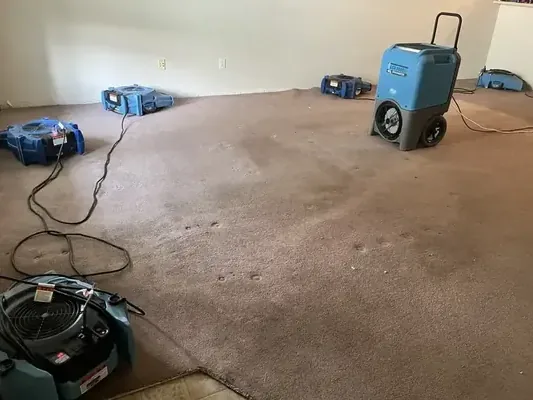
The final walkthrough should follow the original water path
The closing discussion is easier to understand when it starts at the pipe and moves through the rooms in the same order as the original release. The owner can examine the source status, the materials removed, the surfaces retained and the readings that support ending the drying work.
Any separate finish work should have its own location and description.
The city's water supply comes principally from Silver Lake, with the described treatment plant in Halifax. For the incident inside the home, the useful completion record remains the plumbing account and room documentation from that property.
Keeping them together gives the owner a practical reference if a later visit concerns the same fixture, wall opening or flooring transition.
Questions
What belongs in the first report after a cold spell?
A concise report explains the change in fixture flow, the first location of visible water and the current supply status. It should also identify access problems such as wet electrical equipment or a storage area that prevents a safe view of the pipe.
Why retain photographs taken before belongings move?
Those views connect water contact with the original room arrangement. They can show which furniture bases sat in the affected area and reveal why the contractor later inspected an edge that had been concealed behind stored items.
Does the cleanup contractor need the plumber's notes?
The source description helps the contractor understand what was isolated and what should be observed when use resumes. It also gives the homeowner a clearer division between the plumbing work and the treatment of wet building materials.
What should remain accessible while equipment operates?
The contractor should identify the inspected wall openings, measurement locations and routes needed for safe equipment service. Household storage and daily movement can then be arranged around those areas until the documented drying work is complete.