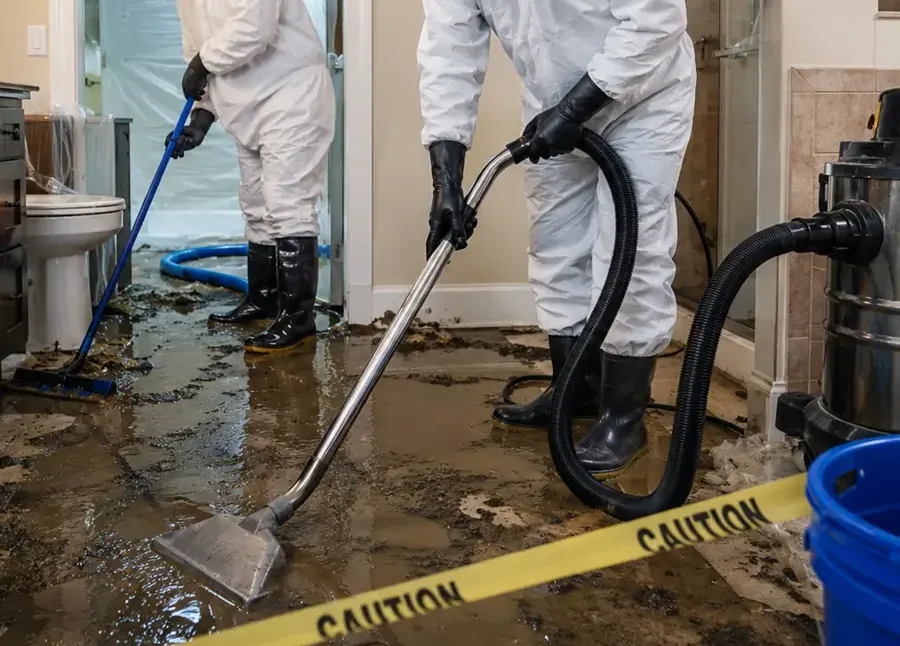
Braintree Water and Sewer Department offers sanitary sewer overflow alerts and maintains the municipal water and sewer systems. An indoor backup also needs a direct account of the drain, water spread and affected materials at the building. Occupants should keep clear of contaminated rooms while the plumbing source and the cleanup requirements are assessed.
Key takeaways
- Public overflow notices can be saved alongside observations from the property.
- A backup report should identify the fixture or drain where water appeared.
- People, pets and dry belongings should stay outside the contaminated work area.
- Affected porous materials need a handling decision before drying equipment is arranged.
- The final record should distinguish drain source work, cleaning and retained material drying.
The Jay Street notice shows what a public report contains
A sanitary sewer manhole overflow occurred on Jay Street on July 10, 2025, affecting the Monatiquot River. The municipal cessation notice described the discharge and when it ended.
Saving a relevant public notice gives an owner a dated account of the reported public event alongside the separate photographs and observations made inside the building.
The municipality maintains a working inventory of sanitary sewer overflow events. An owner who finds wastewater at an indoor drain can report the particular fixture, the room and whether the condition is continuing.
That property description helps the department and the plumber identify the problem being reported, while the sewage cleanup assessment addresses the contaminated space and materials.
- The incident file retains the public notice with its publication details.
- The indoor report names the drain or fixture where water emerged.
- A safe photograph records the visible spread before cleanup changes it.
The doorway becomes a boundary for the household
A sewage affected room should remain separate from ordinary household movement. The owner can direct people and pets away from the entrance and describe the condition to the cleanup contractor without crossing the wet floor.
Important belongings inside the room need an agreed handling plan before anyone attempts to retrieve them through contaminated water.
The contractor establishes a controlled path for equipment, removed material and contents. If the room connects with a hallway or shared stair, that connection needs attention because normal foot traffic can carry residue into dry areas.
A clear explanation of the work boundary helps the household understand which route remains available and why the affected area stays restricted during the response.
- The household uses an unaffected route through the building.
- Wet footwear and contaminated items stay out of clean living spaces.
- The work plan identifies how removed material leaves the property.
Fixture observations help the drain investigation
An owner can record whether wastewater appeared at a floor drain, shower or toilet and what fixtures had been used shortly beforehand. Multiple affected fixtures should each have a location in the account.
The plumber can use that sequence when investigating the drain, while the restoration contractor uses it to understand where contaminated water first contacted the room.
A toilet overflow assessment should identify the actual release and the materials reached around the fixture. The surrounding flooring, nearby cabinet base and doorway may need inspection when the water crossed those surfaces.
The property manager should keep the source contractor's instructions about fixture use available to occupants until the plumbing condition has been addressed.
Contents and porous finishes require deliberate decisions
Sewage contact changes the handling of flooring, wall materials and stored possessions. The cleanup contractor assesses contact, condition and cleanability before deciding which items can remain for treatment and which need controlled removal.
The owner should receive a record that identifies the item or material and its location, accompanied by photographs when safe access allows them.
A basement storage area can contain several kinds of material within the same visible water boundary. Paper boxes, fabric, furniture and hard containers should remain distinguishable in the inventory.
A separate description and photograph of each item help the owner identify belongings later and discuss which need specialist cleaning or disposal.
Personal belongings with several material layers deserve a clear description in the assessment. A hard outer surface may enclose fabric, paper or other absorbent components, so the item record should identify what the contractor actually examined.
The owner can retain that explanation alongside the photographs instead of relying on a broad label such as damaged contents.
- The inventory describes visible sewage contact and the item's location.
- Removed porous finishes are recorded by room and surface.
- A protected route keeps affected contents away from unaffected storage.
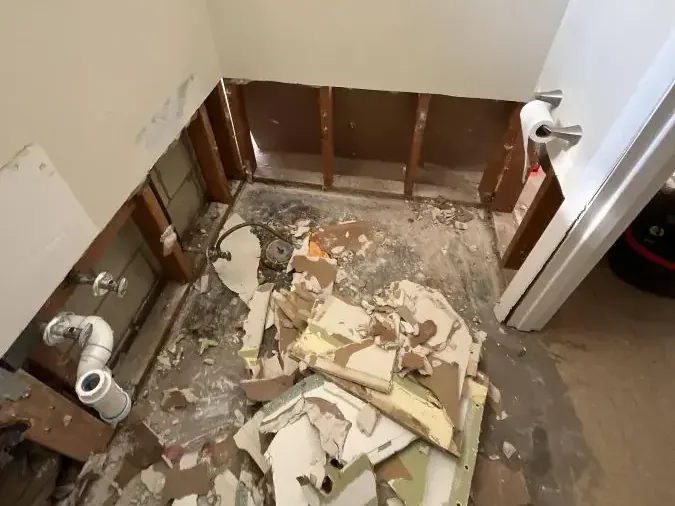
Cleaning comes before the retained assembly dries
The contractor removes wastewater and addresses contamination on surfaces suitable to remain before arranging the drying work. The room record should show what was removed, what was cleaned and what remained accessible for measurement.
This sequence helps the owner understand why a room may need substantial preparation before the drying equipment is positioned.
Once retained materials are ready, structural drying follows the moisture within the affected assembly. Measurements at wall bases, floor edges and exposed framing can be compared over the course of the work.
The contractor should keep those locations identifiable even when barriers, equipment or access openings change during cleanup.
The closing file should make room use easy to understand
The homeowner needs separate descriptions of the drain source work, the contaminated material handling and the remaining drying or finish work. A clear room status tells occupants which areas are available and which still need restricted access.
Any fixture instructions from the plumber should remain part of that discussion so ordinary use resumes according to the source work completed.
The town's stormwater program requires clean stormwater discharge from residents, businesses and other property users. Removed sewage water and cleanup residue need a planned collection and disposal arrangement described by the contractor.
Keeping that account with the room photographs and material record gives the owner a coherent picture of how the affected space was treated from the first report through the final visit.
Questions
Which part of a public sewer notice is useful to retain?
The original notice preserves the reported location, timing and municipal instructions for the public event. An owner can place it in the same file as the indoor incident notes while keeping the building's observed drain and water spread clearly identified.
Should occupants carry wet belongings into a dry room?
The cleanup contractor should establish the handling route and destination first. Keeping affected items within the controlled area until that arrangement is clear reduces unnecessary contact with dry household surfaces and preserves an orderly inventory.
What fixture details belong in the plumber's report?
The report should name every fixture where backup was observed and describe the activity before the release. It should also state whether the water is still rising or whether use has stopped, together with any instructions already received.
How does the owner know what remains unfinished?
A useful handoff lists the room, remaining task and responsible trade for each open item. It can distinguish a drain awaiting inspection from a wall awaiting finish work or retained framing that still needs moisture measurements.